
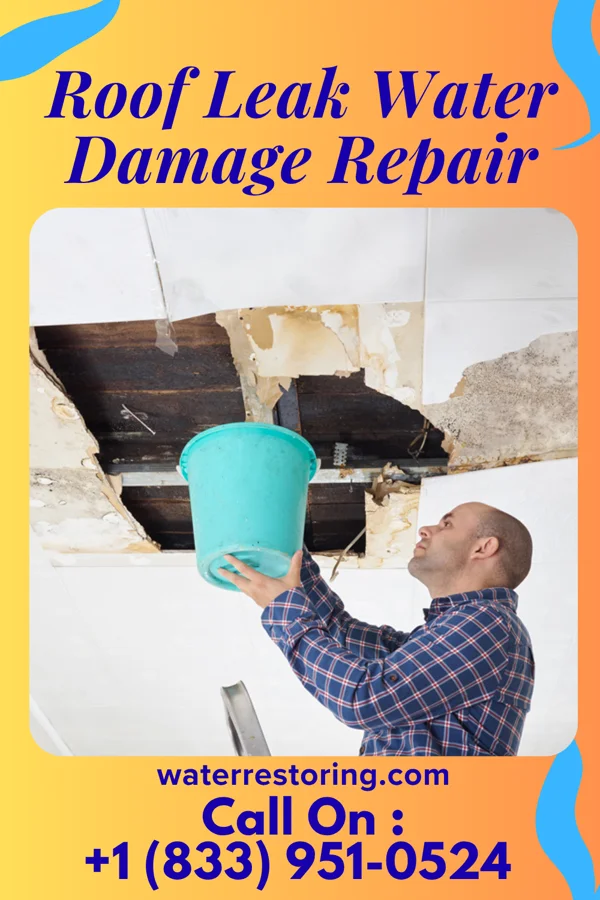
Common Roof Leak Causes in Knoxville
Most roof leak water damage repair calls in Knoxville come from Knoxville, Iowa experiences frequent thunderstorms and heavy rainfall, especially during the spring and summer months. These storms can lead to sudden roof leaks and water intrusion, particularly in older or poorly maintained structures. The region's unpredictable weather patterns make timely roof inspections and repairs critical.. A close second is Winter snowfall and ice dams are common in Knoxville, Iowa, which can cause significant roof damage. The melting and refreezing cycle can lead to icicles, water pooling, and structural stress on roofs. This often results in hidden leaks that may not be immediately noticeable.. If you know what is about to happen, the decisions during the first 48 hours get a lot easier.
Knoxville's climate, characterized by hot, humid summers and cold, snowy winters, creates conditions that accelerate roof degradation. The combination of moisture and temperature extremes can lead to mold growth, wood rot, and structural damage if not addressed promptly.
Most roof leak water damage repair calls in Knoxville come from Knoxville, Iowa experiences frequent thunderstorms and heavy rainfall, especially during the spring and summer months. These storms can lead to sudden roof leaks and water intrusion, particularly in older or poorly maintained structures. The region's unpredictable weather patterns make timely roof inspections and repairs critical.. Running a close second is Winter snowfall and ice dams are common in Knoxville, Iowa, which can cause significant roof damage. The melting and refreezing cycle can lead to icicles, water pooling, and structural stress on roofs. This often results in hidden leaks that may not be immediately noticeable.. Local mold risk: Mold can begin to grow within 48 hours of water exposure in Knoxville, Iowa, especially in damp and humid conditions. This risk is heightened during the summer months when temperatures and humidity levels are high, leading to potential health and structural concerns.